

Blog
By: Amy Racines, MS, Research & Development Senior Project Coordinator
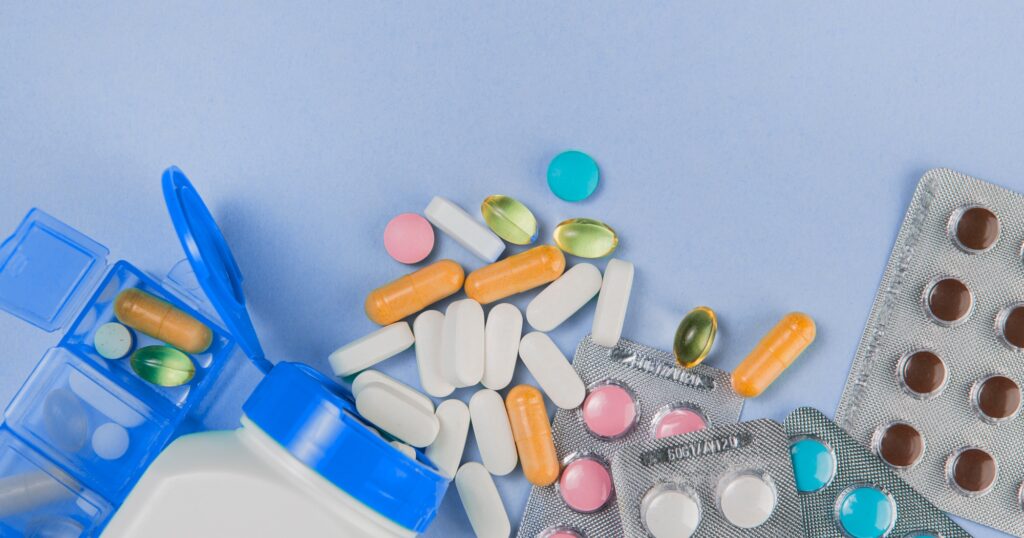
Sourced by Freepik Company S.L.
Selective serotonin reuptake inhibitors (SSRIs) are a class of drugs that can be used to treat depression, anxiety, or other psychological disorders. SSRIs function by blocking the reabsorption of serotonin into neurons, causing an artificially high level of serotonin in the brain. The first SSRI, fluoxetine, was introduced into the market in 1988 as a safer alternative to tricyclic antidepressants (1). From 2015-2018, 13.2% of adults used antidepressants, and SSRIs account for approximately 70% of antidepressants prescribed (2,3).
Approximately 5.5% of pregnant women in North America used SSRIs during their pregnancy in 2019 (4). The medical opinion on the safety of taking SSRIs during pregnancy is complex. Untreated mental illness of an expecting mother can be a threat to the developing fetus, with an increased risk of preterm birth and low birth weight (5). Additionally, the babies of untreated depressed mothers can have been exposed to higher levels of cortisol, which increases the baby’s risk of developing mental illness later in life.
However, SSRI use during pregnancy might pose a risk to the developing fetus since about 30 percent of babies exposed in-utero will experience neonatal abstinence syndrome upon birth (5). Additionally, some studies have suggested SSRI use during pregnancy can be linked to an increased risk of persistent pulmonary hypertension, which is a birth defect affecting the baby’s lungs. Further studies have linked using a specific SSRI, paroxetine, during pregnancy to cardiac, brain, and abdominal birth defects (6). Still, other studies draw no link between SSRI use during pregnancy and adverse fetal outcomes. Overall, the various studies on SSRIs and their safety during pregnancy are conflicting, and more data is needed to draw more reliable conclusions.
Resources:
- https://www.ncbi.nlm.nih.gov/pmc/articles/PMC181155/
- https://www.cdc.gov/nchs/products/databriefs/db377.htm
- https://www.frontiersin.org/articles/10.3389/fpsyt.2020.00035/full
- https://www.sciencedirect.com/science/article/abs/pii/S0165032719331854
- https://www.hopkinsmedicine.org/health/wellness-and-prevention/antidepressants-and-pregnancy-tips-from-an-expert
- https://www.cdc.gov/pregnancy/meds/treatingfortwo/features/ssrisandbirthdefects.html
Sign up here to learn more and receive our newsletter on the latest updates with USDTL.
- Weather Delay
- Forensic vs. Clinical Drug Testing: Why Flexibility Matters for Your Organization
- USDTL’s Integration and Partnership With CourtFact
- New Year, New Capabilities: Offering Forensic & Clinical Testing Options
- Weather Delay
- The Detection of Delta-9-tetrahydrocannabinol, Delta-8-tetrahydrocannabinol, Delta-10-tetrahydrocannabinol, and Cannabidiol in Hair Specimens
- Umbilical Cord Tissue Testing for Ketamine
- Drugs of Abuse: A DEA Resource Guide (2024)
- September 2026 (1)
- February 2026 (1)
- January 2026 (3)
- October 2025 (1)
- July 2025 (3)
- May 2025 (2)